Guides
What rooms teach us: acoustics, monitoring, mixing and immersive sound. A section that will grow article by article.
What these guides cover
The guides fall into seven families, which the articles fill in over time. Technical content is reviewed before publication, and we would rather write what we observe than repeat what is commonly said.
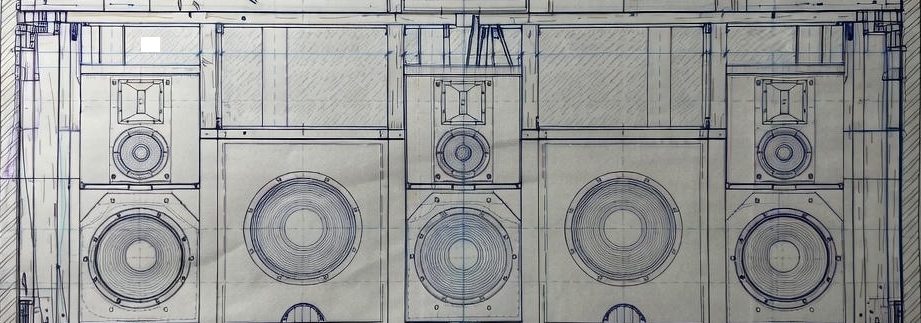
Designing a Dolby Atmos mixing room
Volume, proportions, symmetry, height layer, low-frequency treatment. The trade-offs made before the building work, not after.
Read → MonitoringChoosing and placing your monitor speakers
Listening triangle, symmetry, distance to the front wall, position along the length. What costs nothing and changes the most.
Read → AcousticsRoom modes: identifying and treating the low end
Where the peaks and dips of the low end come from, how to calculate them, how far up they dominate, and in what order to treat them.
Read → AcousticsUnderstanding and reducing SBIR in the control room
The interference between a speaker and the wall behind it: where the cancellation falls, and the three strategies that work.
Read → MonitoringChoosing monitor speakers
Neutrality, off-axis response, active or passive, two-way or three-way. The criteria that matter, and why the room decides as much as the speaker.
Read → MonitoringStereo or multichannel monitoring: what changes
Phantom centre or a real centre channel, symmetry multiplied, bass management and LFE, seat coverage.
Read → AcousticsThe acoustic principles of a control room
Direct sound, early reflections, low-frequency behaviour and the role of diffusion. What happens before treatment even enters the picture.
Read → AcousticsAbsorption, diffusion and the precision-comfort balance
What absorption and diffusion do, the dedicated treatment of the low end, and the dosage between analytical precision and comfort.
Read → CalibrationCalibrating a Dolby Atmos system
Reference levels, distances and delays, bass management and LFE. What calibration covers, and what it does not replace.
Read → DAW and productionDAW and monitoring: a coherent listening chain
Interface, gain staging, listening level, controller and references. Aligning the links between the DAW and the speakers.
Read →Home Theater Maestro
Home Theater Maestro (HTM) is a private cinema room design application. It brings speaker layout, acoustic prediction, measurement analysis and video calibration together in a single workspace.
It is published by WM STUDIOS, the company that also publishes this site. These are two distinct activities: a mastering studio on one side, a software application on the other.
Discover Home Theater Maestro- Layout
Up to 32 channels (Dolby Atmos, DTS:X Pro, Auro-3D) placed in a 3D room, including non-rectangular rooms, risers, screen and projector.
- Predictive acoustics
RT60 per octave band, room modes, early reflections, per-seat response and multi-subwoofer rendering.
- Measurements
Import of REW measurements (native .mdat or text export) and Audyssey projects, compared against the predictions seat by seat.
- Video calibration
ColorHCFR import: gamma, colour temperature, gamut and ΔE, with built-in full-screen test patterns.
- Summary
Top-down room plan and a unified PDF report covering both sound and image.
- Local application
Runs offline, with no account and without sending any file over the network. Windows, macOS, Linux and Android. Free version, optional paid Pro licence.
What HTM does not do
The application's predictions are decision aids. They do not replace a real measurement and come with no guarantee of result. HTM issues no certification and guarantees no acoustic compliance.
The software is affiliated with no speaker manufacturer, and not with Dolby. The formats it mentions (Dolby Atmos, DTS:X Pro, Auro-3D) are public standards, and their trademarks belong to their respective owners.
Rooms, from one city to another
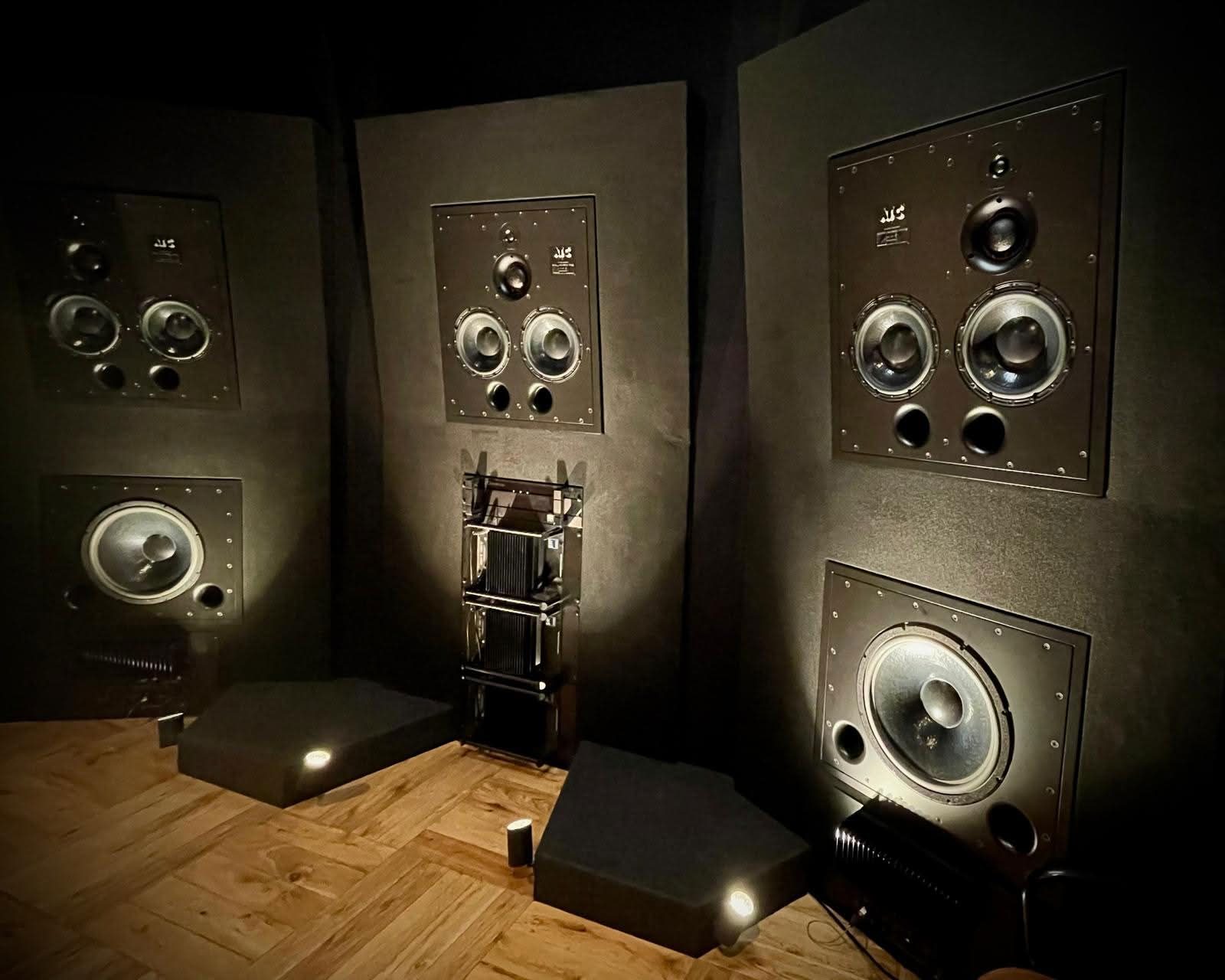
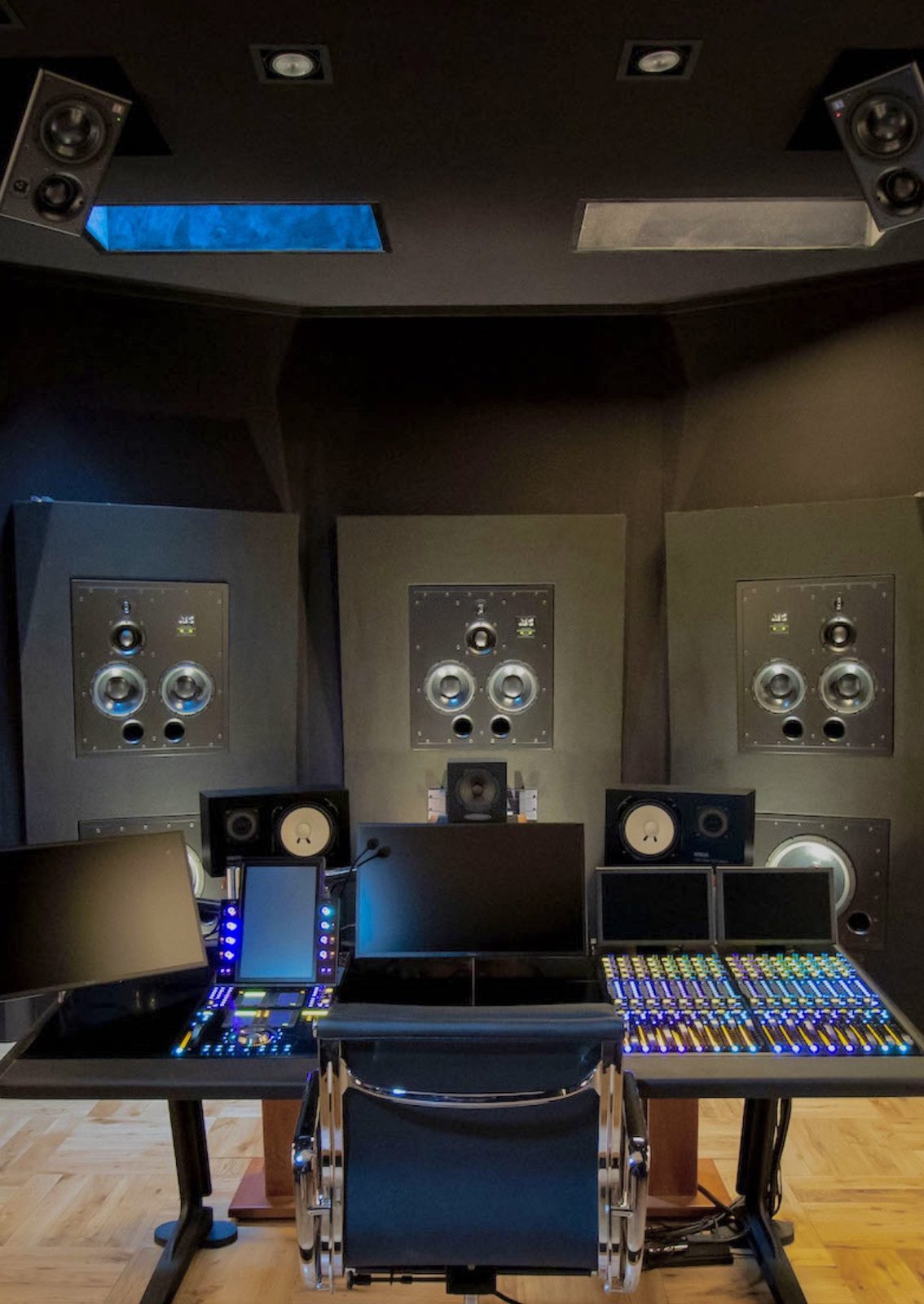
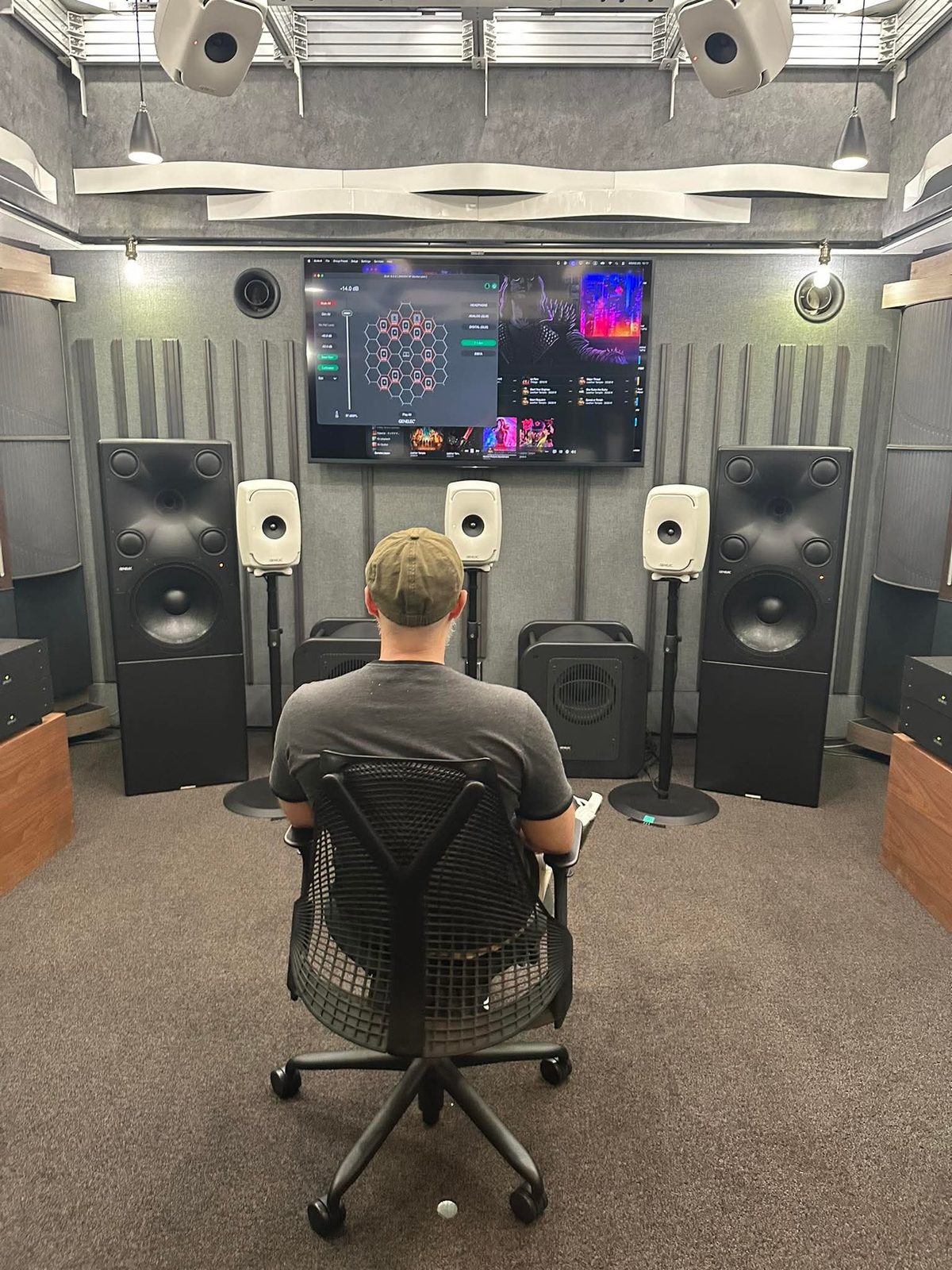
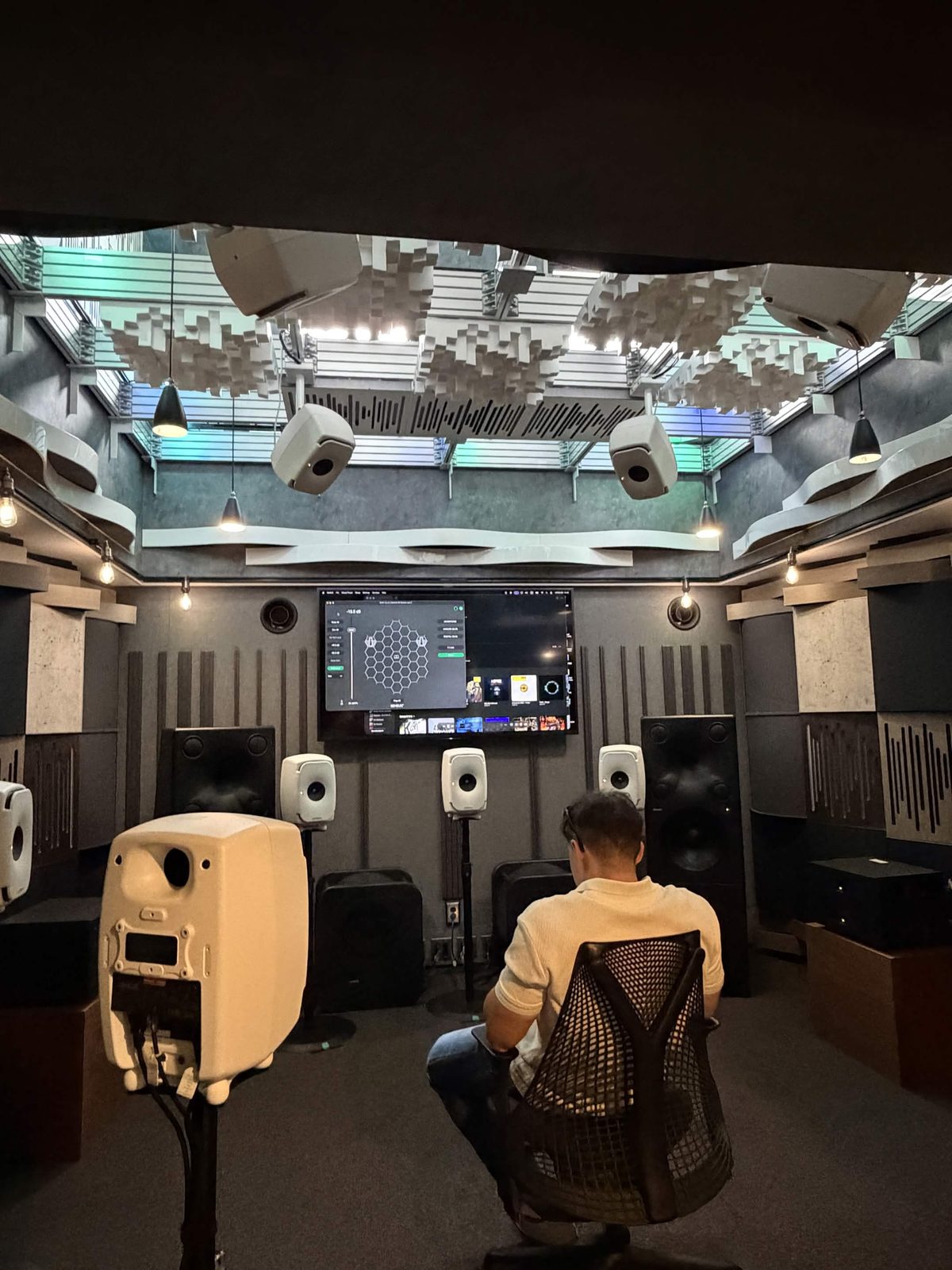
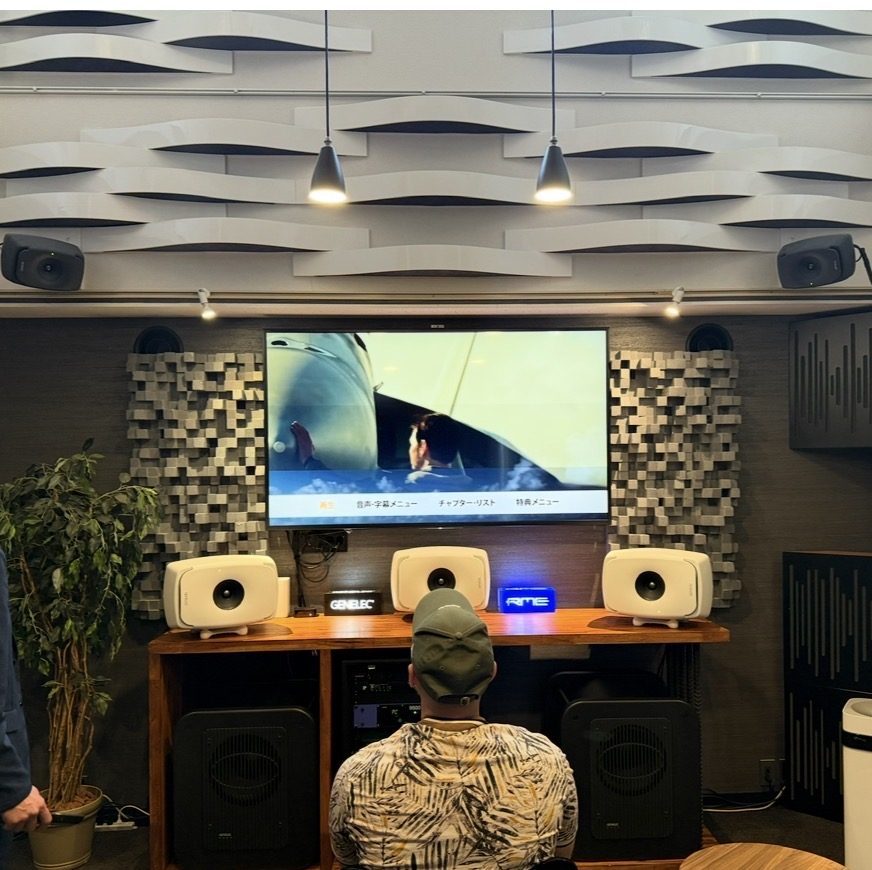
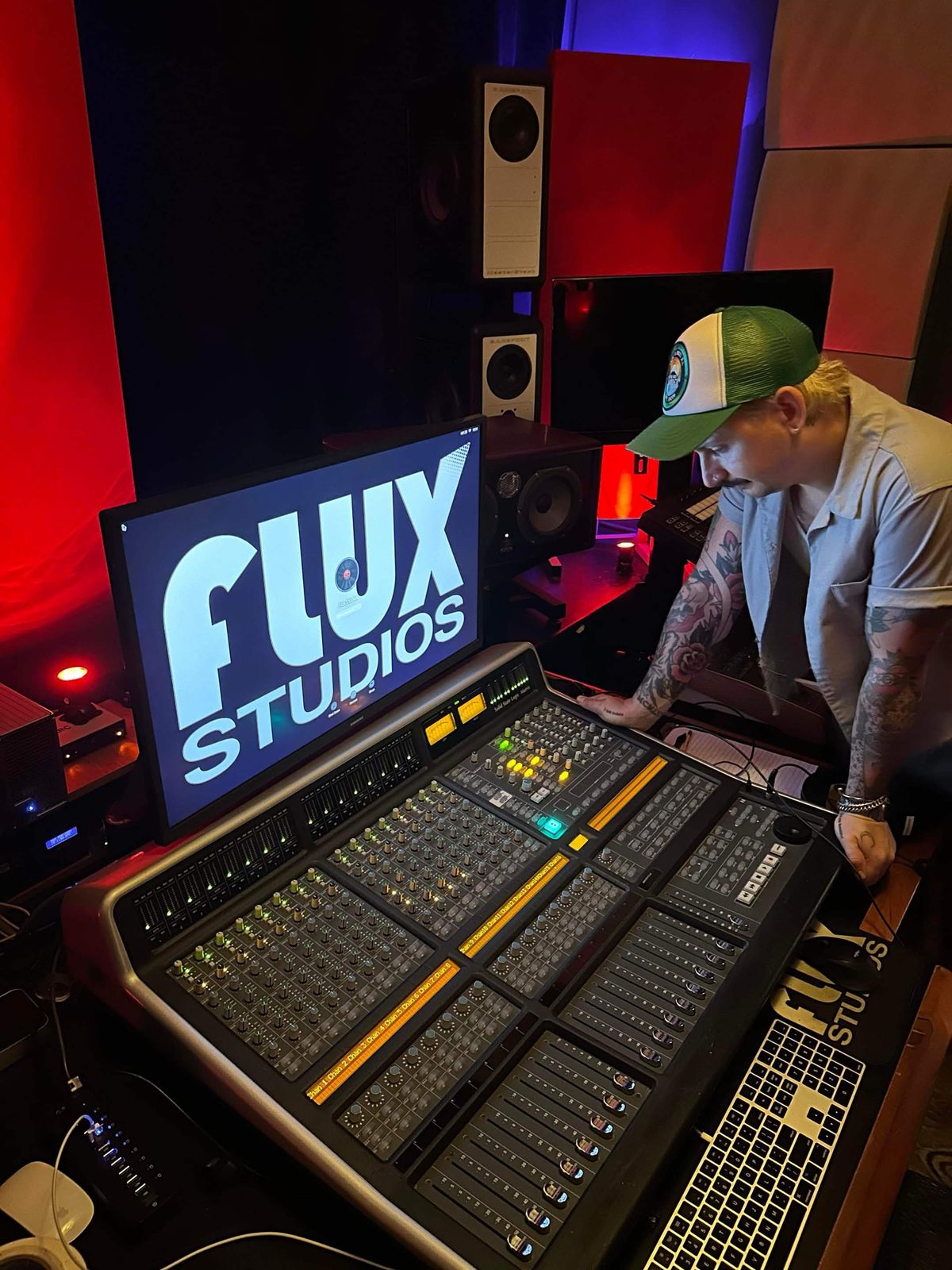
Comparing rooms calibrated in different ways remains the most direct way to learn what belongs to the room and what belongs to the system. A few listening and immersive mixing rooms, in Paris, Tokyo and New York.